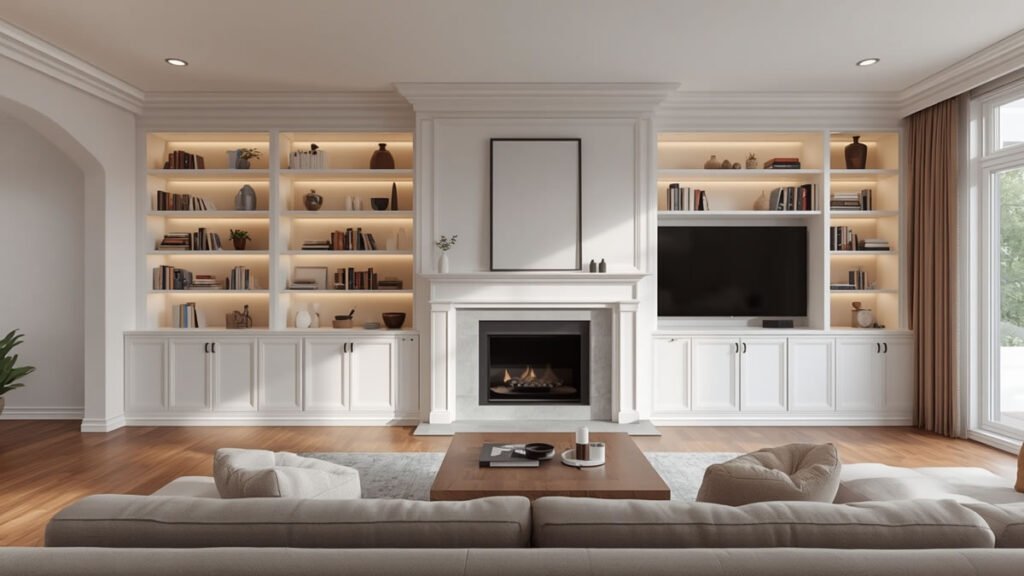

Are you looking to elevate your home with functional elegance? Many homeowners across the United States struggle to balance organization with a clean, polished aesthetic. Fortunately, custom carpentry offers the perfect solution to transform your house into a sanctuary of order and beauty.
Thoughtfully designed storage units provide a seamless way to hide clutter while showcasing your favorite decor. Whether you desire a grand media wall or a cozy window seat, these versatile options maximize every square inch of your floor plan.
This guide explores fifteen creative concepts to help you organize your home. From fireplace surrounds to sophisticated bookcases, you will discover how to blend practical utility with high-end design. Let’s explore how these upgrades can redefine your daily experience.
Key Takeaways
- Custom carpentry creates a cohesive look that enhances your home’s value.
- Integrated media walls hide unsightly wires while providing ample display space.
- Fireplace surrounds offer a focal point that combines warmth with smart organization.
- Window seats serve as dual-purpose features for extra seating and hidden storage.
- Vertical shelving units draw the eye upward, making smaller areas feel much larger.
- Strategic planning ensures your new furniture matches your existing interior style.
How to Plan Built in Living Room Cabinets
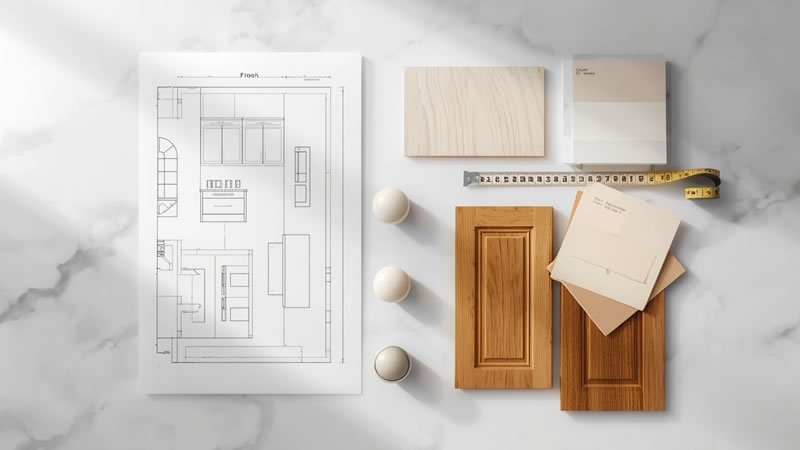
Careful preparation is the secret to making your storage solutions feel like a natural part of your home. When you invest in custom built in cabinets, you want them to look intentional rather than like an afterthought. A thoughtful plan ensures that your new storage integrates perfectly with your existing architecture.
Match Cabinet Proportions to the Room’s Ceiling Height and Wall Width
The scale of your cabinetry should respect the dimensions of your living room. If you have high ceilings, consider taking your units all the way to the top to draw the eye upward and create a sense of grandeur. Proportional balance prevents the furniture from feeling too heavy or disconnected from the rest of the space.
Balance Closed Storage, Open Display, and Everyday Accessibility
A successful design mixes hidden storage with open shelving to keep the room feeling airy. Use closed cabinets to tuck away clutter, while reserving open shelves for books or decorative items. This approach makes your built in media cabinets both functional for daily life and beautiful for display.
Coordinate Cabinet Finishes with Flooring, Trim, and Existing Furniture
Your cabinetry should speak the same design language as the rest of your home. Matching the wood tones or paint colors to your baseboards and window trim creates a cohesive, high-end look. Consistency in finish is what separates a DIY project from a professional installation.
Measure Wall Outlets, Vents, Windows, and Baseboards Before Designing
Before finalizing your blueprints, you must account for all structural obstacles. Carefully measure the location of electrical outlets, HVAC vents, and baseboard heaters to ensure they remain accessible. Ignoring these details can lead to costly modifications during the installation phase.
Choose Hardware and Door Styles That Support the Desired Decorating Style
The final touch involves selecting hardware that complements your home’s aesthetic. Whether you prefer modern, minimalist pulls or traditional knobs, these details define the character of your custom built-in cabinets. Ensure your built-in media cabinets feature durable hinges and slides that stand up to frequent use.
| Planning Step | Key Consideration | Goal |
| Structural Check | Vents and Outlets | Functionality |
| Proportioning | Ceiling Height | Visual Balance |
| Finish Selection | Trim and Flooring | Cohesion |
| Hardware Choice | Style and Durability | Aesthetic Appeal |
Statement Walls That Make Built In Cabinets the Focal Point
Creating a statement wall is the most effective way to anchor your living space and showcase your personal style. By integrating built in cabinets ideas into your architecture, you transform a blank surface into a functional masterpiece. These designs provide a sense of order while elevating the overall aesthetic of your home.
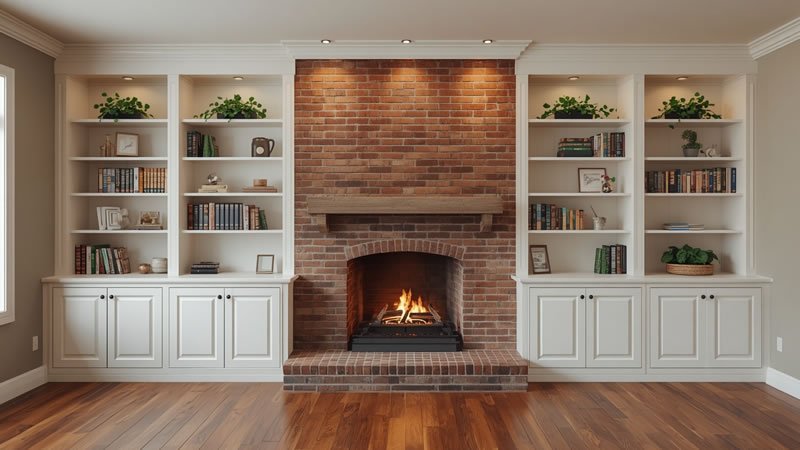
Floor-to-Ceiling Cabinets Framing a Fireplace
Use the Fireplace as the Visual Center of the Wall
When you design fireplace built ins, the hearth should remain the undisputed star of the room. By extending cabinetry to the ceiling, you draw the eye upward and emphasize the height of the space. This approach creates a seamless look that feels intentional and custom-made.
Combine Firewood Storage, Closed Cabinets, and Styled Shelves
Maximize your floor to ceiling cabinets by mixing different storage types. Incorporate a dedicated nook for firewood near the base to add texture and warmth. Use closed lower units for bulky items and open shelving above to display your favorite books or art pieces.
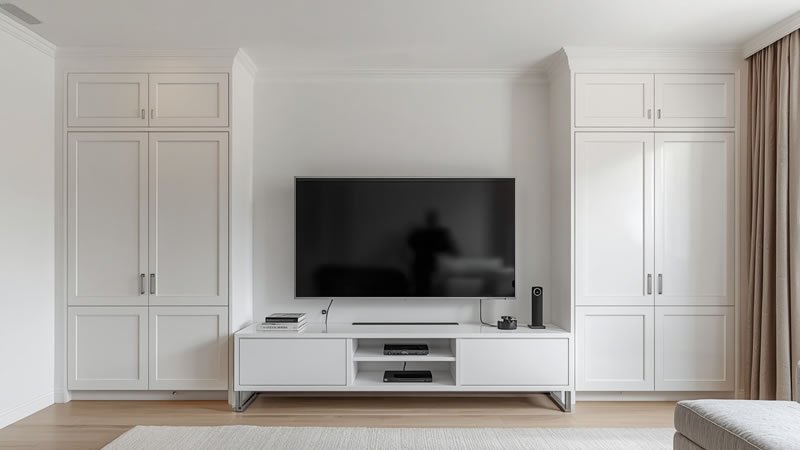
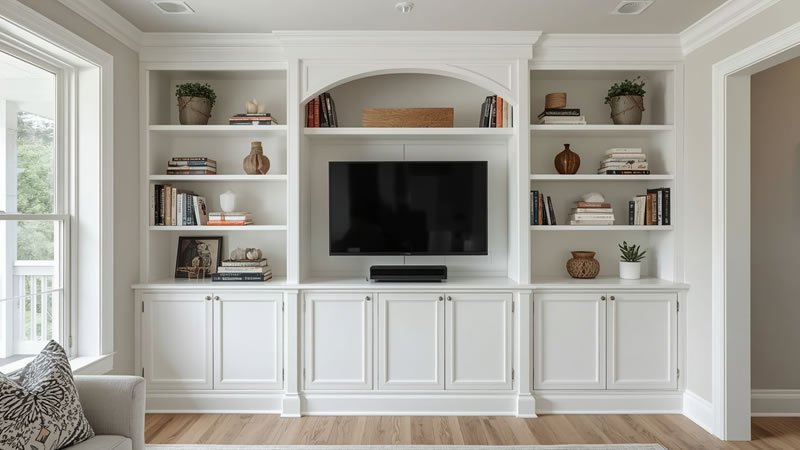
A Symmetrical TV and Media Cabinet Wall
Hide Cords, Streaming Devices, and Speakers Behind Ventilated Panels
A clean, clutter-free look is essential for modern built in media cabinets. Use ventilated panels to keep your electronics cool while keeping messy wires completely out of sight. This ensures your technology remains accessible without ruining the visual flow of the room.
Use Matching Cabinet Sections to Create a Calm, Balanced Composition
Symmetry is the secret to a relaxing TV wall cabinets design. By using identical units on either side of your screen, you create a sense of harmony that makes the room feel larger. This balanced composition helps the television blend into the decor rather than dominating it.
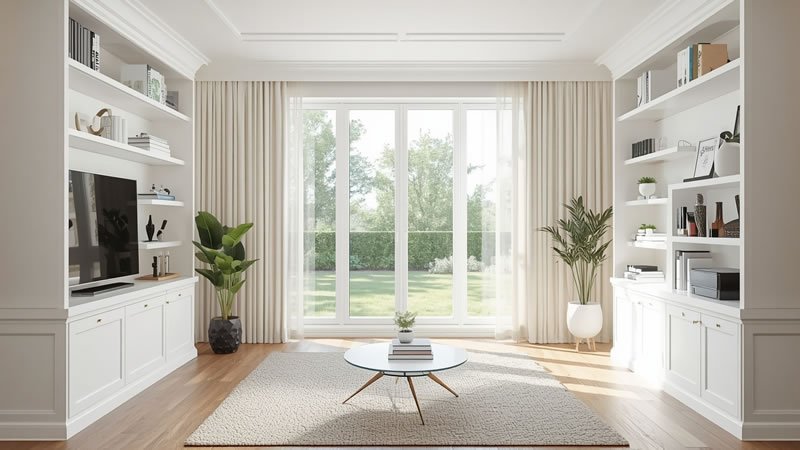
Built in Cabinets Flanking a Large Living Room Window
Keep Window Trim Visible While Maximizing Vertical Storage
Don’t let a beautiful window go to waste by crowding it with heavy furniture. Instead, install slim cabinetry that respects the existing trim and allows natural light to flood the room. This strategy adds storage without sacrificing the airy feel of your living area.
Use Lower Cabinets for Practical Storage and Upper Shelves for Display
The best designs use the lower portion of the wall for deep, hidden storage. Reserve the upper shelves for curated displays that catch the light from the window. This combination keeps your essentials tucked away while highlighting your personality through decor.
| Feature | Fireplace Wall | Media Wall | Window Wall |
| Primary Goal | Warmth & Texture | Tech Organization | Light & Display |
| Storage Style | Mixed Open/Closed | Hidden/Ventilated | Lower/Upper Split |
| Visual Impact | High Architectural | High Functional | High Aesthetic |
Open and Closed Storage Combinations for a Polished Look
Finding the perfect harmony between concealed storage and open shelving is the secret to a polished living room. By mixing these two approaches, you create living room storage ideas that feel organized without appearing overly heavy or cluttered. This strategic blend of open and closed storage allows you to hide the items you use daily while proudly displaying your favorite decor.
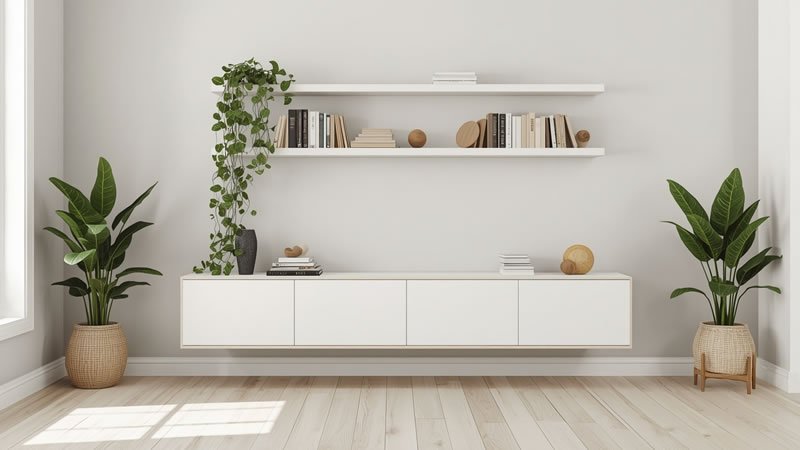
Floating Lower Cabinets with Open Shelves Above
Use Wall-Mounted Base Cabinets to Create an Airier Appearance
Floating cabinets are a fantastic way to maintain a sense of openness in your home. By mounting base units to the wall, you expose more of the floor, which makes the entire room feel larger and more modern. This design choice is particularly effective in smaller living areas where every square inch of visual space matters.
Style the Shelves with Books, Art, Plants, and Negative Space
Once your base is set, use the open shelves above to curate a personal gallery. Negative space is just as important as the objects you choose to display. Try to balance your items by following these simple tips:
- Group books in small stacks to create visual interest.
- Incorporate trailing plants to soften the hard lines of the cabinetry.
- Leave empty gaps between items to prevent a crowded look.
Glass-Front Upper Cabinets for an Elegant Display
Protect Collections from Dust While Keeping Them Visually Accessible
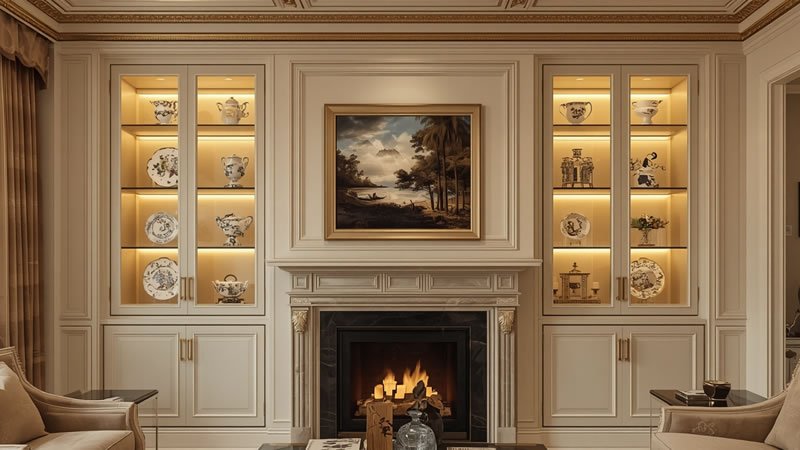
If you have delicate items or prized collections, glass front cabinets offer the perfect solution. They provide a protective barrier against dust while ensuring your treasures remain the focal point of the room. This approach keeps your space looking clean and sophisticated.
Add Interior Lighting and Repeated Objects for a Curated Arrangement
To elevate the look, consider adding integrated LED lighting inside the glass units. A soft glow highlights your items and adds warmth to the room during the evening. You can also create a cohesive aesthetic by repeating similar shapes or colors across the shelves.
Open Bookcases Framed by Closed Storage
Reserve Closed Doors for Toys, Electronics, and Visual Clutter
For a truly functional space, use closed doors to manage the items that create visual noise. Toys, gaming consoles, and tangled cords disappear behind solid panels, leaving your living room feeling calm and intentional. This hidden storage is essential for maintaining a tidy environment.
Arrange Books and Decorative Objects by Height, Color, or Subject
The open bookcases in the center serve as your primary display area. You can organize your collection by color for a bold, artistic statement or by height for a more traditional, balanced feel. Keeping these shelves curated ensures that your storage remains a beautiful part of your home’s design.
Built in Cabinet Finishes That Define the Room’s Style
Your choice of cabinet finish acts as the anchor for your living room’s aesthetic. Whether you prefer a clean, modern look or a cozy, traditional feel, the material and color you select will dictate the visual weight of the space. Choosing the right finish ensures your storage feels like a permanent, intentional part of your home.
Soft White Painted Cabinets for a Bright, Timeless Living Room
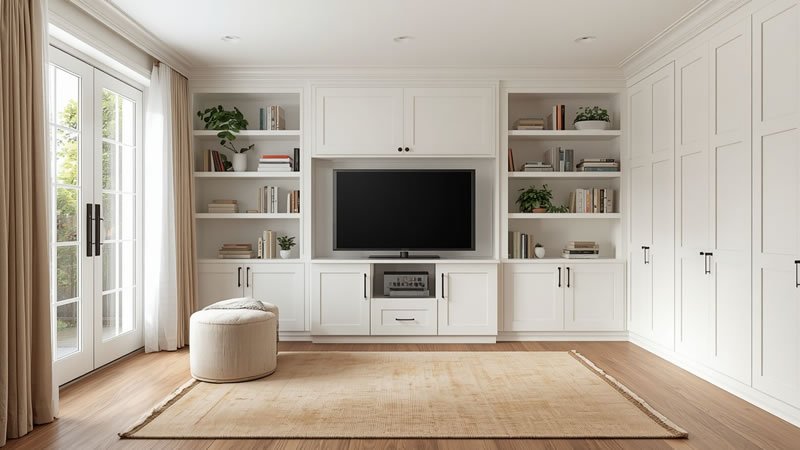
Opting for painted built in cabinets in a soft white hue is a classic strategy for creating an airy, inviting atmosphere. This choice works exceptionally well in smaller rooms where you want to maximize the sense of space and light.
Pair White Cabinetry with Warm Wood Floors and Textured Fabrics
To keep a white-on-white room from feeling sterile, introduce warmth through your flooring and textiles. Rich, honey-toned wood floors provide a beautiful contrast against crisp white paint. Layering in textured fabrics like linen curtains or wool rugs adds depth and comfort to the environment.
Prevent an All-White Wall from Feeling Flat with Contrasting Accents
You can easily avoid a one-dimensional look by incorporating hardware or decor that stands out. Consider using matte black or brushed brass handles to break up the expanse of white. Adding colorful books or metallic picture frames to open shelves will also draw the eye and create visual interest.
Natural Oak or Walnut Cabinets for Warmth and Character
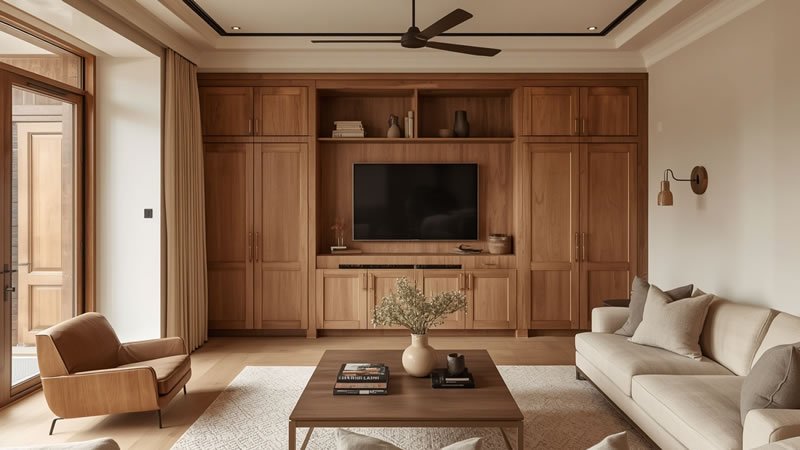
If you prefer a more organic aesthetic, wood living room cabinets offer unmatched depth and texture. The natural grain patterns of oak or walnut bring an immediate sense of luxury and comfort to any living area.
Highlight the Grain with Simple Slab or Shaker-Style Doors
Minimalist door styles are perfect for showcasing the beauty of natural wood. A simple slab door creates a sleek, contemporary look, while a classic Shaker-style door adds a touch of traditional charm. Both styles allow the unique character of the wood grain to take center stage.
Balance Rich Wood Tones with Light Walls and Upholstery
To ensure your wood cabinetry doesn’t overwhelm the room, keep the surrounding walls a neutral, light shade. Pairing dark walnut with cream-colored upholstery creates a sophisticated, high-end balance. This approach keeps the room feeling open while still benefiting from the warmth of the wood.
Two-Tone Cabinets with Contrasting Shelves or Lower Units
For those who want a custom, designer look, two tone cabinets offer a creative way to add personality to your storage. This technique allows you to play with color and depth in a way that feels both modern and curated.
Use a Darker Base with Lighter Upper Storage to Ground the Wall
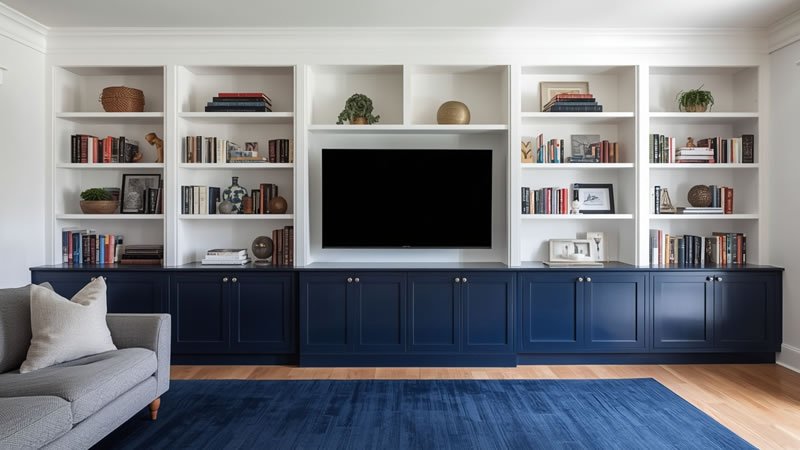
A popular design trick is to paint the lower cabinets in a deep, moody color like navy or charcoal while keeping the upper shelves or cabinets white. This grounds the entire wall, making the storage feel substantial and well-anchored. It also draws the eye upward, which can make your ceilings appear higher.
Repeat the Accent Color in Rugs, Art, or Decorative Accessories
To make your two-tone design feel cohesive, pull the darker accent color into other parts of the room. Using the same shade for your area rug, throw pillows, or wall art creates a sense of harmony. This repetition ties the cabinetry into the rest of your decor, making the entire space feel unified.
| Finish Style | Primary Mood | Best For |
| Soft White | Bright & Airy | Small or dark rooms |
| Natural Wood | Warm & Organic | Adding texture and luxury |
| Two-Tone | Bold & Custom | Creating a focal point |
Built in Cabinets That Add Purpose Beyond Storage
Beyond basic shelving, modern built-ins can serve as the heart of your home’s relaxation and entertainment zones. By integrating specialized features, you can turn a standard wall unit into a multifunctional hub that supports your daily lifestyle. These custom designs allow you to maximize every square inch of your living room while maintaining a clean, organized aesthetic.
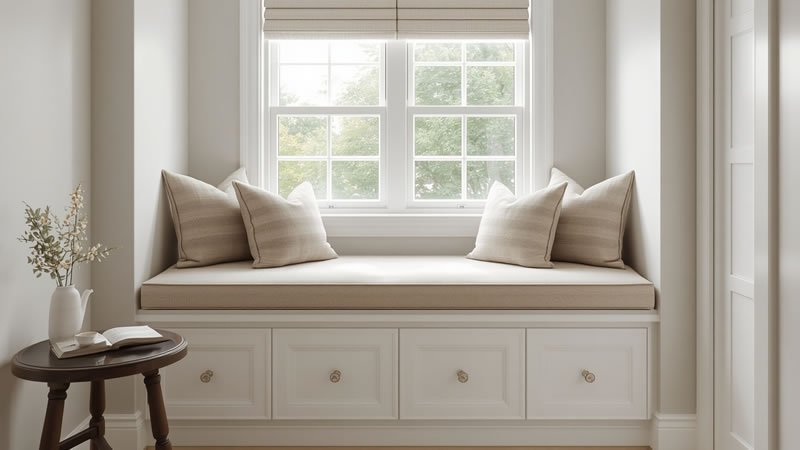
A Window Seat with Drawers and Cabinets Beneath
Transforming an underutilized alcove into a cozy nook is a brilliant way to add character to your home. Installing window seat cabinets provides a perfect blend of comfort and utility that feels custom-made for your space.
Create a Comfortable Reading Spot with a Properly Sized Cushion
To ensure your new nook is inviting, focus on the quality of the seating area. A custom-fitted cushion made from high-density foam offers the best support for long reading sessions. Choose durable, stain-resistant fabrics that complement your existing decor to keep the area looking fresh for years.
Use Deep Drawers for Blankets, Games, and Seasonal Accessories
The space beneath your seat is ideal for heavy-duty storage. Incorporating deep drawers allows you to tuck away bulky items like extra blankets, board games, or seasonal pillows. This keeps your living room clutter-free while ensuring your favorite items remain easily accessible whenever you need them.
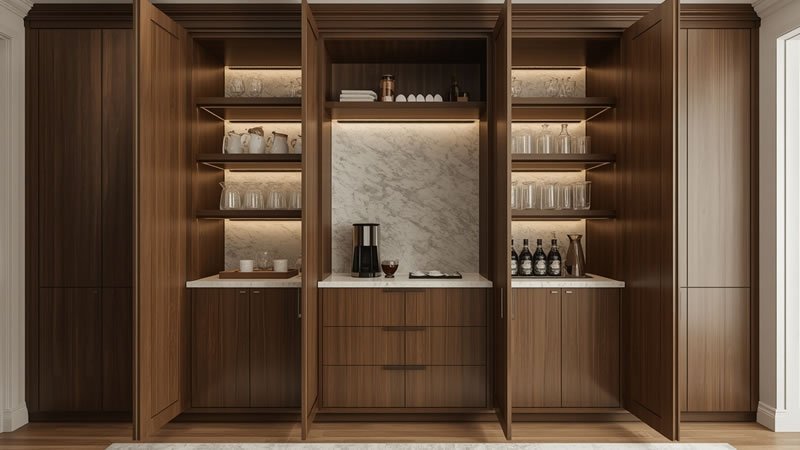
A Hidden Bar or Coffee Station Inside Cabinetry
If you love to entertain, a hidden bar cabinet is a sophisticated addition that keeps your living room looking tidy. This feature allows you to tuck away your coffee machine or cocktail supplies behind sleek doors when they are not in use.
Include Adjustable Shelves, Tray Storage, and Dedicated Appliance Space
Efficiency is key when designing a compact station. Use adjustable shelves to accommodate different bottle heights or tall coffee mugs. Adding dedicated tray storage ensures you always have a place to serve drinks, while custom appliance garages keep your counters clear of cords and clutter.
Plan Electrical Access, Durable Surfaces, and Easy-to-Clean Materials
Before finalizing your design, ensure you have integrated electrical outlets inside the cabinet to power your appliances safely. Select durable, non-porous surfaces like quartz or laminate for the interior base, as these materials are simple to wipe down after a spill. Proper planning ensures your station remains both functional and beautiful for every guest you host.
Smart Cabinet Solutions for Challenging Living Room Layouts
Even the most challenging floor plans can benefit from clever, custom-built storage solutions. While many people dream of expansive walls, you can often find hidden potential in the nooks and crannies of your home. By integrating floating cabinets or even window seat cabinets, you can reclaim square footage that standard furniture often ignores.
Corner Cabinets That Turn Unused Space into Functional Storage
Dead corners are a common frustration in American homes, but they offer a prime opportunity for extra organization. Installing corner living room cabinets allows you to turn a neglected void into a highly efficient storage hub.
Use Angled Shelves or Custom Doors to Improve Access to Deep Corners
Deep corners often become “black holes” where items are forgotten. You can solve this by using angled shelves that pull out or rotate, making every item easy to reach. Custom doors that fold or swing wide also ensure that you never struggle to access the back of your cabinet.
Keep Corner Cabinet Profiles Shallow Enough to Preserve Walking Paths
It is vital to maintain clear traffic flow in your living area. When designing your corner units, keep the cabinet profiles shallow enough to avoid obstructing your natural walking paths. Strategic depth ensures your room feels open while still providing the storage you need.
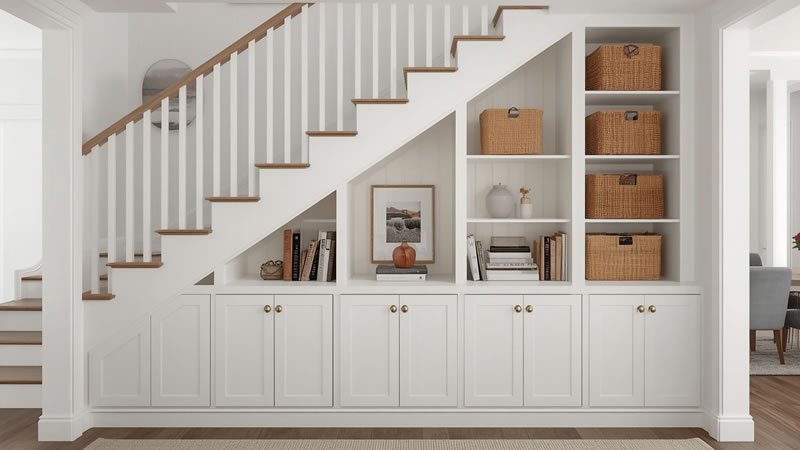
Under-Stair Built ins for Books, Media, and Household Essentials
The space beneath a staircase is frequently wasted, yet it provides a perfect footprint for custom cabinetry. This area is ideal for creating a mix of open and closed storage that keeps your living room tidy and organized.
Follow the Stair Angle with Graduated Shelves and Cabinet Heights
To achieve a professional look, your cabinetry should mirror the slope of the stairs. Using graduated shelves and varying cabinet heights creates a visually harmonious transition that feels like a natural part of the architecture.
Combine Push-Latch Doors with Open Niches for a Streamlined Finish
For a modern, clean aesthetic, consider using push-latch hardware on your cabinet doors. This removes the need for bulky handles, allowing the unit to blend seamlessly into the wall. You can then intersperse these closed sections with open niches to display your favorite books or decorative items.
Decorative Built in Cabinets for Personality and Display
Decorative cabinetry does more than store your belongings; it tells the unique story of your life and interests. By incorporating floor to ceiling cabinets, you create a grand backdrop that feels both intentional and deeply personal. These units transform a standard wall into a curated gallery that reflects your specific taste.
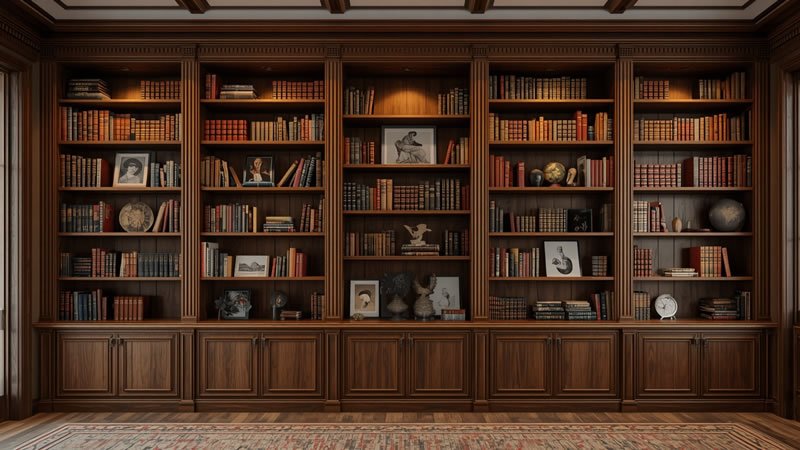
A Full Library Wall with Integrated Book Storage
A dedicated library walls serves as the heart of a home, offering a sophisticated way to organize your collection. When you install built in bookshelves, you gain the ability to customize every inch of the vertical space available.
Design Adjustable Shelves for Books of Different Heights
Flexibility is the secret to a functional library. By using adjustable shelving, you can easily accommodate oversized art books, tall vases, or small paperbacks without wasting space. This adaptability ensures your storage remains useful as your collection grows and changes over time.
Mix Reading Material with Art and Personal Objects to Avoid a Cluttered Look
To keep your library from feeling overwhelming, balance is essential. Interspersing your books with curated art pieces or family heirlooms creates visual breathing room. This technique prevents the space from looking like a warehouse and turns it into a stylish space that feels curated and calm.
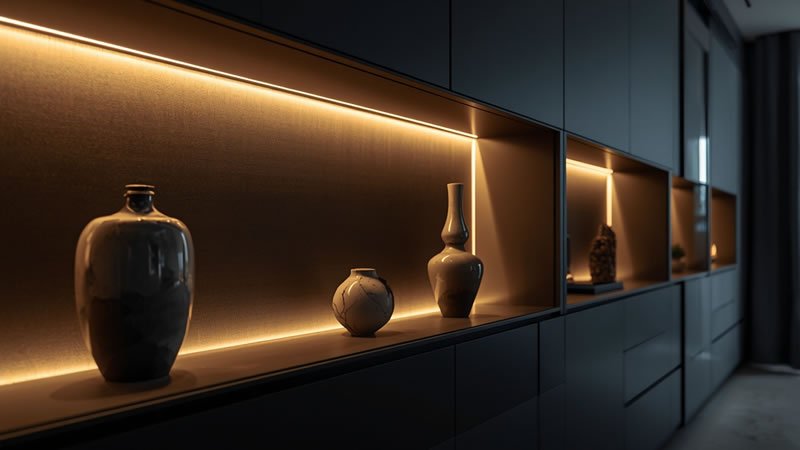
Display Niches with Integrated Accent Lighting
Display niches allow you to highlight specific items that define your home’s character. Whether you prefer wood living room cabinets or sleek modern finishes, adding dedicated display zones elevates the entire room’s aesthetic.
Use Recessed or Strip Lighting to Highlight Art and Collectibles
Strategic lighting changes how you perceive your decor. Recessed or strip lighting draws the eye toward your favorite collectibles, making them pop against the background. This dramatic effect adds depth and dimension to your cabinetry, especially during the evening hours.
Choose Warm Light and Concealed Wiring for a Refined Evening Effect
Warm lighting creates a cozy, inviting atmosphere that makes your living room feel like a retreat. By ensuring all wiring is concealed within the structure, you maintain a clean, professional look. Even glass front cabinets benefit from this subtle glow, which adds a touch of luxury to your display.
| Feature | Open Shelving | Glass-Front Cabinets | Closed Storage |
| Visibility | High | Medium | None |
| Maintenance | Frequent Dusting | Low | Minimal |
| Style Impact | Casual/Artistic | Elegant/Refined | Clean/Minimalist |
| Best Use | Books & Decor | Fine Collectibles | Hidden Essentials |
How to Choose the Right Built in Cabinet Design for Your Home
Bringing your unique cabinet design ideas to life starts with a strategic planning phase. Whether you envision a sleek hidden bar cabinet or a grand library wall, the path you choose dictates the final result.
Compare Custom, Semi-Custom, and Modular Cabinet Approaches
Choosing the right construction method depends on your specific needs for precision and cost. Each option offers a different balance of quality and convenience.
Consider Budget, Lead Time, Fit, and Future Flexibility
- Custom built in cabinets: Provide a perfect fit for any wall, though they require longer lead times and a higher investment.
- Semi-custom systems: Offer a middle ground with modified standard sizes that look high-end without the full custom price tag.
- Modular options: Best for those on a strict budget who need quick installation and standard configurations.
Select Cabinet Materials and Door Styles for Daily Use
Your material choice determines how well your furniture stands up to the rigors of daily life. High-traffic areas like TV wall cabinets require surfaces that resist scratches and fingerprints.
Evaluate Durability, Cleaning Needs, Moisture Resistance, and Hardware Quality
Select materials that match your lifestyle. For instance, solid wood or high-quality plywood offers superior longevity compared to particle board. Always prioritize soft-close hinges and durable drawer slides to ensure smooth operation for years.
| Material Type | Durability | Maintenance |
| Solid Wood | High | Moderate |
| MDF/Engineered | Medium | Low |
| Laminate | High | Very Low |
Plan Lighting, Electrical Access, and Media Equipment from the Start
Modern living rooms often require integrated technology. Planning for power and data early prevents unsightly cords and ensures your electronics function properly.
Allow Ventilation for Electronics and Access for Repairs or Upgrades
Ensure your TV wall cabinets include proper airflow to prevent overheating. Strategic planning for removable back panels or hidden access doors makes future repairs or equipment upgrades much easier.
Set a Realistic Budget for Installation and Finishing Details
A successful project requires accounting for more than just the boxes themselves. Many homeowners forget to include the finishing touches that make custom built in cabinets look truly professional.
Account for Trim, Paint, Lighting, Hardware, and Professional Labor
Factor in the cost of professional installation, custom trim work, and high-quality paint or stain. If you are considering two-tone cabinets, remember that complex finishes often require additional labor hours. Always set aside a 10% contingency fund for unexpected site conditions or hardware upgrades.
Conclusion
Investing in built in living room cabinets elevates your home by blending architectural beauty with everyday utility. These pieces turn empty walls into organized hubs for media, books, and decor.
You might choose classic fireplace built-ins to anchor your room or opt for corner living room cabinets to maximize tight spots. Every choice reflects your personal style while keeping clutter out of sight.
Consider your specific needs before starting your project. Think about your budget, the electrical outlets you require, and the finish that best suits your flooring. Whether you prefer painted built in cabinets for a clean look or natural wood for warmth, the right design makes a massive impact.
Stunning built-in bookshelves provide the perfect stage for your favorite items. Explore these various cabinet design ideas to find the perfect fit for your lifestyle. A well-planned storage wall creates a polished, high-end atmosphere that makes your living room feel complete and functional.
FAQ
How do I ensure my built-in cabinets don’t overwhelm a small living room?
The key is to match cabinet proportions to your room’s ceiling height and wall width. For smaller spaces, consider floating lower cabinets to create an airier appearance by showing more floor space. Using a soft white paint, such as Benjamin Moore Simply White, can also help the units blend into the walls, preventing the room from feeling cramped while still providing ample stylish storage.
What is the best way to hide messy cords and media equipment in a custom media wall?
To maintain a polished look, design your TV and media cabinet wall with ventilated panels or mesh door inserts. This allows infrared signals for remotes to pass through while providing airflow for devices like a Samsung Gaming Hub or Apple TV. Always measure wall outlets and plan for concealed wiring paths before the installation begins to ensure a seamless, wire-free finish.
Should I choose open shelving or closed cabinet doors for my living room?
A balanced mix is usually best. Use closed storage or Shaker-style doors for items you want to hide, like toys, electronics, and visual clutter. Reserve open bookcases or glass-front upper cabinets for displaying art, collectibles, and books. This combination allows you to showcase your personality while keeping daily essentials tucked away.
Can built-in cabinets be added to homes with challenging layouts like corners or stairs?
Absolutely! Smart cabinet solutions like corner cabinets with angled shelves can turn dead space into a functional highlight. Additionally, under-stair built-ins are a classic American home hack; you can follow the stair angle with graduated shelves to create a custom library wall or a hidden household essentials closet using push-latch doors for a streamlined effect.
What are the main differences between custom, semi-custom, and modular built-ins?
Custom built-ins are designed from scratch to fit your exact dimensions, offering the most flexibility but at a higher price point for professional labor. Semi-custom options allow you to choose from set sizes with custom finishes, while modular systems, such as IKEA Sektion or Pottery Barn modular units, are the most budget-friendly. When choosing, consider your lead time, durability needs, and how perfectly you need the unit to fit between your baseboards and trim.
How can I make my built-in cabinets feel more like a high-end furniture piece?
Focus on the finishing details. Adding integrated accent lighting, such as recessed LED strips, highlights your display niches and creates a refined evening glow. You can also experiment with two-tone cabinets, using a natural walnut or oak for the lower units and a lighter color for the uppers. High-quality hardware and slab doors can also elevate the overall aesthetic to match your existing upholstery and flooring.
Is it possible to include a home bar or coffee station within a living room built-in?
Yes, and it’s a very popular way to add purpose beyond storage. You can design a hidden bar behind pocket doors that includes adjustable shelves for glassware and dedicated appliance space for a Nespresso or Keurig machine. Just be sure to plan for electrical access and use easy-to-clean materials or stone remnants for the interior countertop surfaces.