
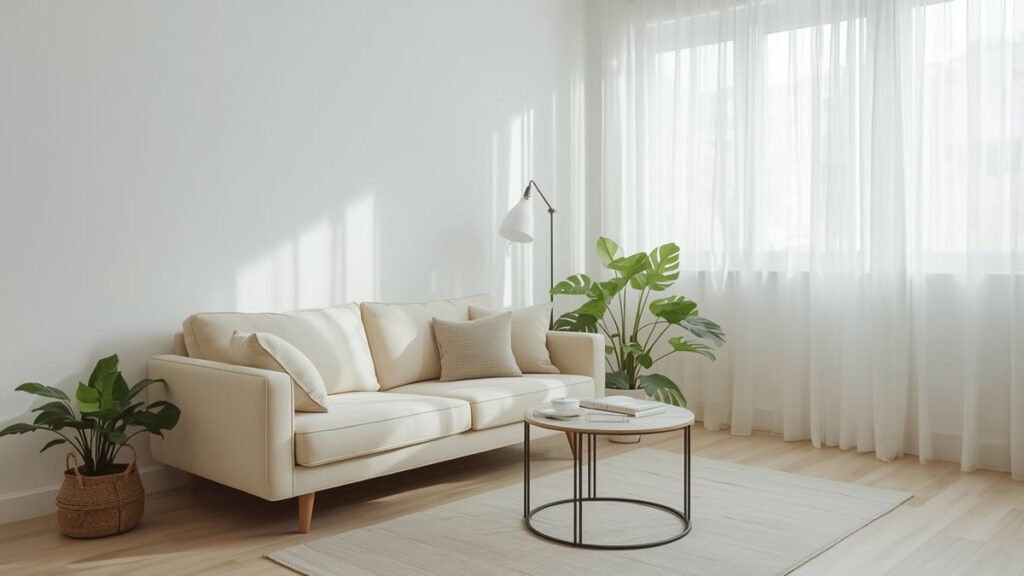

Finding the perfect sofa for small living room layouts can feel like a puzzle. You want a cozy spot to relax, but you also need to keep your floor plan feeling open and airy.
The right furniture choice transforms your home into a welcoming sanctuary. By selecting pieces that balance comfort with scale, you can maintain a high level of function without sacrificing your personal aesthetic.
Our guide explores clever, stylish sofa ideas that help you reclaim your square footage. We will cover essential tips on sizing, smart layouts, and versatile designs that work hard in tight quarters.
Discover how choosing the right colors and fabrics can make your space feel larger. Let’s create a beautiful, efficient environment that reflects your unique personality.
Key Takeaways
- Prioritize multi-functional furniture to save precious floor space.
- Choose light colors or leggy designs to create an illusion of openness.
- Measure your area carefully before purchasing any new seating.
- Consider modular pieces that adapt to your changing needs.
- Use vertical space to draw the eye upward and balance the room.
How to Choose the Right Sofa for a Small Living Room?
Finding the perfect sofa for a small living room starts with a tape measure, not a catalog. Taking accurate small living room measurements is the most critical step in avoiding delivery disasters and cramped layouts. When you know exactly how much space you have, you can shop with confidence and clarity.
Measure the Room, Doorways, and Walking Paths
Before you commit to a purchase, map out your floor plan on paper. Measure the length and width of the intended area, but do not stop there. You must also measure the width of your hallways, stairwells, and entryways to ensure the piece will actually fit inside your home.
Clear walking paths are essential for a functional home. Ensure you leave at least 30 inches of space for main traffic lanes so you never feel like you are navigating an obstacle course.
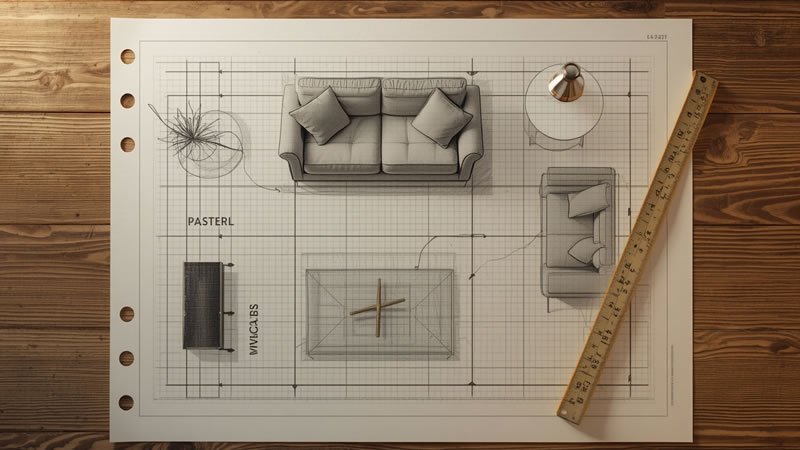
Prioritize Sofa Depth, Width, and Seat Height
When evaluating sofa dimensions, look closely at the depth of the frame. A deep sofa might feel luxurious, but it can quickly swallow up a tiny room and make it feel smaller. Opt for a shallower depth to keep the floor space open and airy.
Consider the seat height as well. A lower profile can create a modern, sophisticated look while making the ceilings appear higher. Always test the seat height to ensure it provides the support you need for daily relaxation.
Match the Sofa Scale to Existing Furniture
Your new sofa should harmonize with the items you already own. If you have a petite coffee table, a massive, overstuffed sofa will look out of place and disrupt the visual balance. Aim for pieces that share similar proportions to maintain a cohesive aesthetic.
Consistency is key when working with limited square footage. By keeping the scale of your furniture uniform, you prevent the room from feeling cluttered or chaotic.
Leave Enough Clearance for Comfortable Movement
Even the most beautiful sofa will feel like a mistake if it blocks your movement. Always leave at least 18 inches between your sofa and the coffee table to allow for easy legroom. Furthermore, ensure that your sofa dimensions allow for full access to windows, radiators, and doors.
Thoughtful planning ensures that your living room remains a welcoming sanctuary. When you prioritize flow and function, you create a space that feels much larger than it actually is.
Space-Saving Sofa Styles That Look Sophisticated
A well-chosen sofa acts as the anchor for your room, even when square footage is at a premium. Selecting the right silhouette is essential to ensure your living area feels inviting rather than cluttered. By focusing on specific design features, you can maximize your comfort without sacrificing your personal style. For more inspiration, check out this guide on the best small sofas for apartments to explore top-rated options.
Apartment-Size Sofas for Balanced Proportions
An apartment-size sofa is specifically engineered to fit into tighter footprints while maintaining the look of a full-sized piece. These models typically measure between 60 and 80 inches in length. They provide the perfect balance of seating capacity and floor clearance for urban homes.
Loveseats for Compact Seating Areas
When you have a truly tiny nook, a loveseat is often the most practical choice. These pieces are designed for two people, making them ideal for cozy reading corners or small studios. A high-quality space-saving sofa in this category can serve as a primary seat without overwhelming the room’s flow.
Armless Sofas for a Lighter Visual Effect
Armless designs are a secret weapon for small-room decorators. By removing the arms, you eliminate bulky edges that take up valuable inches. This creates a streamlined, airy aesthetic that makes the entire room feel more open and accessible.
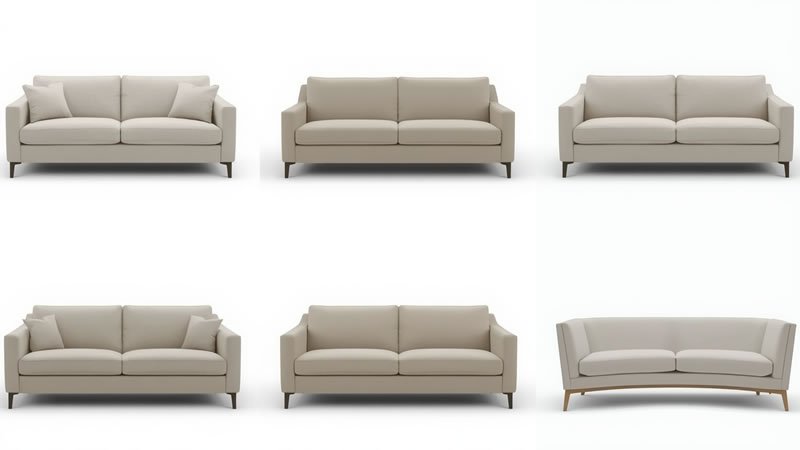
Track-Arm Sofas for Clean, Contemporary Lines
If you prefer a modern look, track-arm sofas offer a sleek profile that maximizes interior seating space. Unlike rolled arms, which add significant width, track arms are straight and compact. This space-saving sofa style is perfect for achieving a tidy, minimalist vibe in a narrow living room.
Curved Sofas for Softness Without Bulky Corners
Curved silhouettes introduce a sense of movement and softness to a room. Because they lack sharp, protruding corners, they are easier to navigate around in tight spaces. Choosing an apartment-size sofa with a gentle curve can make a room feel more organic and less rigid.
| Sofa Style | Best For | Visual Impact |
| Apartment-Size | Standard small rooms | Balanced and classic |
| Loveseat | Tight corners | Cozy and intimate |
| Armless | Minimalist layouts | Very light and airy |
| Track-Arm | Modern interiors | Clean and structured |
| Curved | Softening sharp edges | Fluid and elegant |
Best Sofa for Small Living Room Layouts
The secret to a functional home often lies in strategic sofa placement. When you work with limited square footage, every inch counts toward creating a comfortable environment. A well-thought-out small living room layout can make your space feel significantly larger and more inviting.
Place a Sofa Against the Longest Wall
Pushing your sofa against the longest wall is a classic technique to open up the center of the room. This sofa placement strategy creates a clear path for foot traffic and prevents the furniture from feeling like an obstacle. It provides a solid anchor for the room, making the space feel grounded and organized.
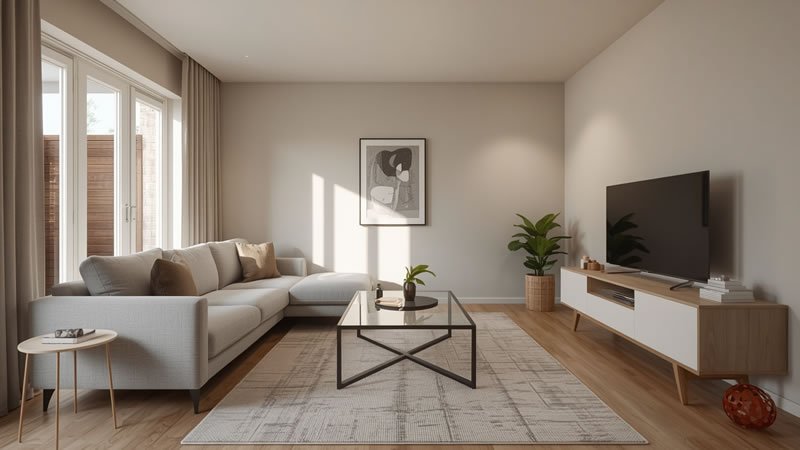
Float the Sofa to Define an Open-Plan Space
If you have an open-plan home, floating your sofa away from the walls can act as a natural room divider. This approach helps define the living area without the need for bulky partitions. It encourages better circulation and creates a distinct zone for relaxation.
Use a Corner Sofa to Create a Cozy Conversation Area
A corner sofa is an excellent choice for maximizing awkward nooks. By tucking the piece into a corner, you free up valuable floor space in the middle of the room. This setup is perfect for fostering intimate conversations and making the most of every corner.
Arrange Seating Around a Central Coffee Table
Grouping your furniture around a central coffee table creates a cohesive focal point. This arrangement makes the room feel intentional rather than cluttered. Ensure the table is proportional to your sofa to maintain a balanced look throughout the area.
Keep Windows, Radiators, and Doorways Accessible
Never block your natural light sources or heating elements with heavy furniture. Keeping windows and radiators clear ensures your home stays bright and energy-efficient. Always prioritize a layout that allows for easy movement through doorways to avoid a cramped feeling.
| Layout Strategy | Best For | Primary Benefit |
| Longest Wall | Narrow Rooms | Maximizes floor space |
| Floating | Open-Plan Areas | Defines living zones |
| Corner Setup | Small Nooks | Increases seating capacity |
| Central Grouping | Square Rooms | Improves conversation flow |
Multifunctional Sofa Ideas That Add Practical Value
You can transform your compact home into a powerhouse of efficiency with the right multifunctional furniture. When square footage is limited, every piece must earn its place by serving more than one purpose. These clever designs help your living room feel spacious while providing the utility you need for daily life.
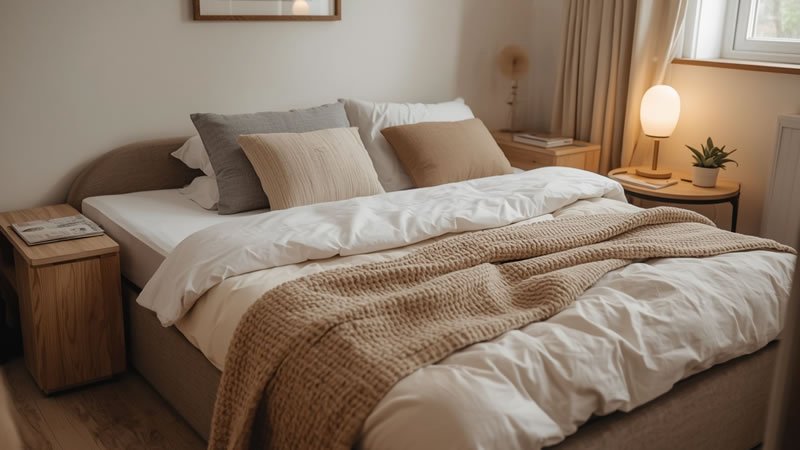
Choose a Sleeper Sofa for Guests and Everyday Seating
A high-quality sleeper sofa is the ultimate secret weapon for small apartments. Modern versions offer plush cushions that feel just as comfortable as a standard couch for your daily relaxation. When visitors arrive, you can easily convert the frame into a cozy bed in seconds.
Use a Modular Sofa That Can Adapt Over Time
If your floor plan is tricky, a modular sofa provides the flexibility you crave. You can rearrange individual sections to fit different corners or expand your seating arrangement as your needs change. This adaptability ensures your furniture remains useful even if you move to a new home.
Select a Sofa With Built-In Storage
Clutter is the enemy of a small living room, but hidden storage can save the day. Many compact sofas now feature lift-up seats or side compartments perfect for stashing blankets, remote controls, and magazines. Keeping these items out of sight creates a cleaner, more organized aesthetic instantly.
Consider a Reclining Sofa With a Space-Saving Wall-Hugger Design
You do not have to sacrifice comfort just because you lack space for a traditional recliner. A wall-hugger design allows the seat to slide forward while the back stays close to the wall. This clever engineering lets you enjoy a full recline without needing extra clearance behind the sofa.
Pair a Compact Sofa With an Ottoman Instead of a Chaise
While a chaise lounge looks inviting, it often consumes too much permanent floor space. Choosing a compact sofa paired with a matching ottoman offers greater versatility for your layout. You can use the ottoman as a footrest, an extra seat for guests, or even a makeshift coffee table with a sturdy tray on top.
Colors and Fabrics That Make a Small Room Feel Larger
The secret to a spacious-feeling room often lies in the clever selection of upholstery and color palettes. When you choose the right sofa colors, you can trick the eye into perceiving more depth and openness in a tight floor plan.
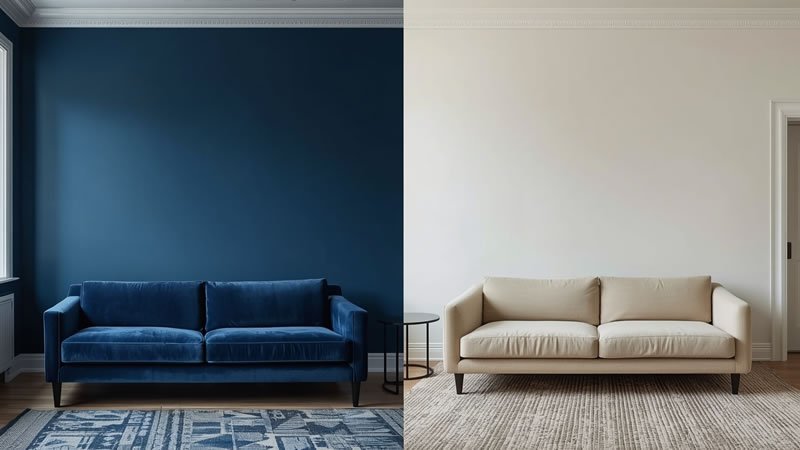
Use Light Neutrals to Reflect More Natural Light
Light neutrals like cream, soft gray, or beige are classic choices for compact areas. These shades bounce light around the room, which helps to eliminate dark corners that make a space feel cramped. Brightening your furniture creates a seamless transition between the sofa and the surrounding walls.
Try Deep, Saturated Colors Without Overwhelming the Room
If you prefer a bolder look, you do not have to stick strictly to white or beige. Deep, saturated tones like navy or forest green can add a sense of luxury and depth to a small living room. The key is to keep the rest of your decor minimal so the sofa acts as a sophisticated focal point rather than a visual barrier.
Coordinate the Sofa With Walls, Floors, and Curtains
Creating a cohesive look is vital for maintaining a sense of order. When your sofa matches the tone of your walls or flooring, it blends into the background, effectively reducing visual clutter. This monochromatic approach is a proven way to make a small room feel significantly larger.
Select Durable Upholstery for Daily Living
Beyond color, the material you choose must withstand the rigors of everyday life. Investing in durable upholstery ensures that your furniture remains beautiful even in high-traffic areas. Consider these popular options for your home:
- Performance Fabric: Ideal for active households.
- Leather: Perfect for a sleek, low-maintenance finish.
- Textured Weaves: Add character without needing extra decor.
Performance Fabric for Families and Pet Owners
Performance fabrics are engineered to resist stains, spills, and heavy wear. They are a smart choice for families with children or pets who need a sofa that cleans up easily. You can enjoy peace of mind knowing your furniture is built to last.
Leather and Faux Leather for Easy Cleaning
Leather is a timeless material that ages beautifully and is incredibly simple to wipe down. It provides a clean, polished aesthetic that works well in modern or industrial-style apartments. Faux leather offers a similar look at a more accessible price point while maintaining high levels of durable upholstery standards.
Textured Weaves for Warmth and Visual Interest
If you want to avoid a flat look, textured weaves like linen blends or bouclé add depth to your seating. These fabrics provide a cozy, tactile experience that makes a small room feel inviting. They offer a great way to introduce personality through subtle patterns without the need for busy prints.
| Material Type | Best For | Maintenance Level |
| Performance Fabric | Active Families | Low |
| Leather | Modern Style | Very Low |
| Textured Weave | Cozy Aesthetics | Moderate |
Decorating Around a Small Sofa Without Creating Clutter
Smart decorating choices allow you to maximize your floor space without sacrificing your personal aesthetic. When working with small living room furniture, the goal is to maintain a sense of openness while ensuring every piece serves a clear purpose.
Choose Furniture With Exposed Legs to Open Up the Floor
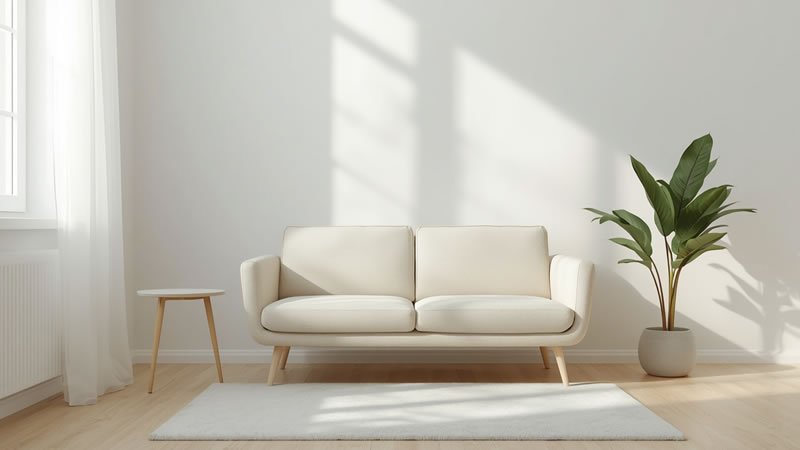
One of the most effective ways to make a room feel larger is to choose pieces with exposed legs. When you can see the floor underneath your sofa or chairs, the room feels airy and light rather than heavy and grounded.
This simple design trick prevents furniture from looking like a solid block. It creates a sense of flow that helps the eye travel across the entire space without interruption.
Replace a Bulky Coffee Table With a Nesting or Round Design
Traditional, oversized coffee tables often dominate a small room and restrict movement. Instead, consider a nesting coffee table set that provides surface area only when you actually need it.
Round tables are also excellent choices for tight layouts. Their lack of sharp corners makes it much easier to navigate around them, which is essential for maintaining a comfortable walking path.
Use Vertical Shelving to Free Up Floor Space
When floor space is limited, look toward your walls for storage solutions. Installing tall, vertical shelving units draws the eye upward and makes your ceilings feel higher.
This approach keeps your floor clear of clutter while providing plenty of room for books, plants, and decor. It is a brilliant way to add personality to your home without crowding your seating area.
Layer Pillows and Throws With Restraint
It is tempting to pile on decorative textiles, but too many pillows can quickly overwhelm a small sofa. Stick to a few high-quality pieces that complement your color palette rather than hiding the furniture itself.
Focus on textures that add warmth without adding bulk. A single, soft throw blanket draped neatly over the arm can provide all the comfort you need without creating a messy appearance.
Add Mirrors and Lighting to Expand the Room Visually
Mirrors are a classic tool for creating the illusion of extra space. By placing a large mirror across from a window, you can bounce natural light throughout the room and make it feel significantly brighter.
Layered lighting also plays a vital role in how a room is perceived. Use a mix of floor lamps and wall sconces to eliminate dark corners, which helps the space feel more expansive and welcoming. And do not forget that the right window treatment can make just as big a difference. Check out these window curtain ideas for living room makeovers to complete your space beautifully.
Stylish Sofa Ideas for Different Small Living Room Needs
Finding the perfect seating for a compact home requires balancing your personal lifestyle with the physical limits of your floor plan. Whether you are furnishing a cozy nook or a busy family hub, the right choice can transform how you experience your daily life. By focusing on specific needs like durability, scale, and function, you can create a space that feels both intentional and inviting.
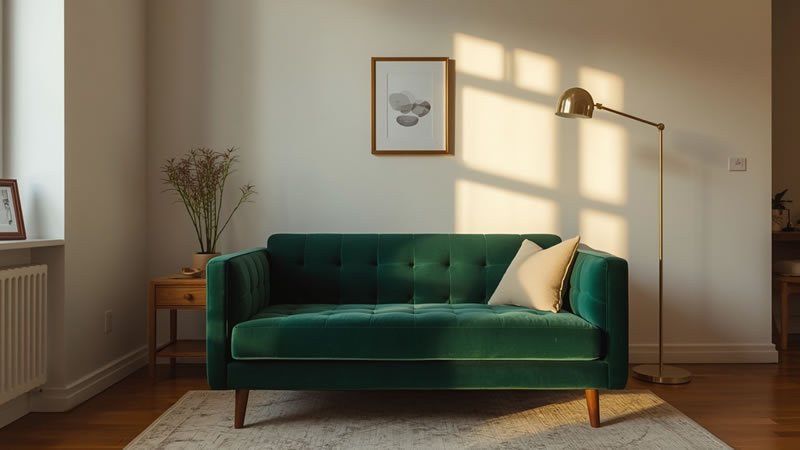
Comfortable Sofa Solutions for Studio Apartments
When every square inch counts, a studio apartment sofa must work harder than a standard piece of furniture. Look for designs with slim profiles and elevated legs to maintain an airy, open feeling. A multifunctional piece that transitions from a daytime lounge to a nighttime bed is often the smartest investment for single-room living.
Family-Friendly Seating for Narrow Living Rooms
Narrow rooms often suffer from awkward traffic flow, making it difficult to find comfortable seating. Opt for a streamlined sofa with a shallow depth to keep walkways clear while still providing ample room for everyone. Performance fabrics are essential here, as they resist spills and wear from active family members.
Pet-Friendly Sofas for Small Homes
Living with furry friends means your furniture needs to be as resilient as it is stylish. A pet-friendly sofa should feature tightly woven fabrics like microfiber or heavy-duty canvas that resist snagging from claws. Choosing a darker tone or a textured pattern can also help mask occasional pet hair between deep cleanings.
Minimalist Sofas for Clutter-Free Interiors
Minimalism thrives on clean lines and a lack of visual noise. Select a sofa with a simple silhouette, such as a track-arm design, to keep the room feeling uncluttered. Neutral colors like soft gray, cream, or warm beige help the piece blend seamlessly into your walls, making the entire room appear larger.
Statement Sofas for Eclectic and Colorful Rooms
Small spaces do not have to be boring or strictly neutral. A bold, velvet-upholstered sofa in a jewel tone can act as a stunning focal point that defines your entire design aesthetic. Keep the surrounding decor simple to ensure your statement piece remains the star of the show.
Budget-Friendly Options That Still Look Custom
You do not need a massive budget to achieve a high-end look in a small home. Focus on modular pieces that allow you to customize the configuration to fit your specific wall lengths. Adding high-quality throw pillows or a tailored slipcover can elevate an affordable frame to look like a custom-made designer item.
| Sofa Type | Best Feature | Ideal For |
| Studio Sleeper | Dual Functionality | Small Apartments |
| Performance Fabric | Stain Resistance | Pet Owners |
| Modular Sectional | Custom Fit | Narrow Layouts |
| Minimalist Track-Arm | Visual Lightness | Modern Decor |
Small Living Room Sofa Mistakes to Avoid
Transforming your home starts with knowing which sofa mistakes to avoid during your search. While it is easy to get caught up in aesthetics, practical planning ensures your new piece fits your lifestyle and your floor plan perfectly.
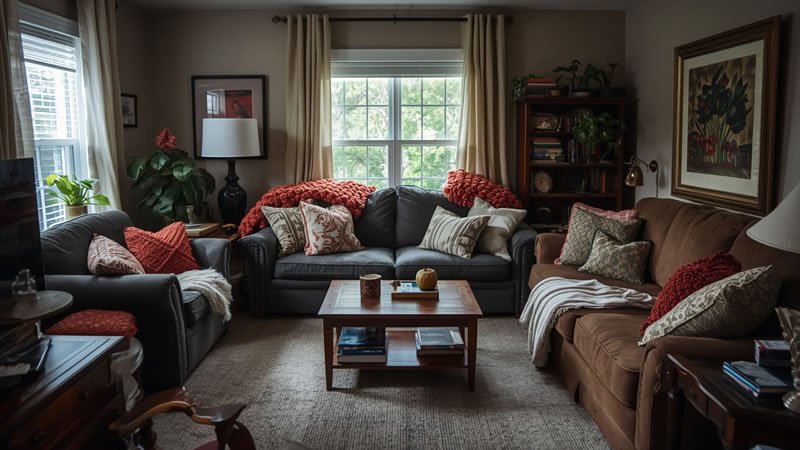
Buying a Sofa Before Measuring the Entryway
One of the most frustrating sofa-buying tips is realizing your new furniture cannot fit through your front door. Always measure the width and height of your hallways, stairwells, and doorways before finalizing your purchase.
Choosing Oversized Arms or Excessive Seat Depth
Bulky arms can consume valuable square footage that you simply do not have. Opt for slim, track-style arms to keep the silhouette light and airy. Similarly, ensure the seat depth allows for comfortable seating without encroaching on your walking paths.
Blocking Natural Light, Vents, or Main Walkways
Never place a sofa where it obstructs a window or covers a heating vent. Blocking these elements makes a room feel smaller and disrupts the natural flow of air and light. Keep your main traffic lanes clear to maintain a sense of openness.
Using Too Many Matching Pieces in One Area
Buying a complete matching set often creates a heavy, dated look in a small room. Instead, mix textures and styles to add visual interest without the clutter. Variety is the spice of interior design, and it helps your space feel curated rather than crowded.
Ignoring Comfort While Focusing on Appearance
“A sofa is meant to be lived in, not just looked at.”
It is tempting to prioritize a trendy design, but comfort should always be your top priority. Test the cushions and back support to ensure the piece remains cozy for daily relaxation.
Overlooking Cleaning, Maintenance, and Long-Term Durability
Small spaces often see high traffic, making fabric choice essential for longevity. Select performance fabrics that resist stains and are easy to clean. Investing in quality construction now prevents the need for a replacement in just a few years.
Conclusion
Creating a beautiful home starts with understanding your unique floor plan. Precise measurements and smart furniture choices turn even the smallest apartment into a functional retreat.
You deserve a comfortable sofa that fits your lifestyle perfectly. Selecting pieces with clean lines and versatile features ensures your home remains open and airy.
A welcoming living room relies on balance rather than size. Focus on quality materials and intentional layouts to maximize every square inch of your floor space.
Brands like West Elm or Article offer excellent options that blend style with utility. Your furniture should support your daily habits while reflecting your personal taste.
Take time to curate your environment with pieces that serve a clear purpose. This approach guarantees a home that feels both spacious and deeply personal.
FAQ
How do I know if a sofa will fit through my narrow entryway?
Before you fall in love with a piece, measure every doorway, hallway, and stairwell your new furniture must pass through. Brands like Burrow offer clever modular sofa designs that arrive in manageable boxes, making them a lifesaver for tight apartment-size entries and steep staircases.
What sofa style is best for a very narrow living room?
A track-arm sofa is a fantastic choice because its thin, straight arms maximize seating space without adding unnecessary width. If you want to keep the room feeling airy, consider an armless sofa or a design with exposed legs from West Elm, which allows light to pass underneath and creates the illusion of more floor space.
Can I use a sectional in a small living room?
Yes! A compact corner sofa can actually save space by tucking into an unused nook, creating a cozy conversation area. Alternatively, look for a small sofa paired with a reversible ottoman instead of a fixed chaise; this gives you the flexibility to move the lounging side whenever you decide to refresh your open-plan space layout.
Which fabrics are most durable for small homes with pets and kids?
For high-traffic homes, performance fabrics like those from Sunbrella or Maiden Home are top-tier choices because they resist stains and odors. If you prefer a more classic look, top-grain leather or faux leather from Pottery Barn is incredibly easy to wipe down and develops a beautiful patina over time, while textured weaves can help hide minor wear and tear.
How can I make a dark, small room feel larger with my sofa choice?
Stick to light neutrals like oatmeal, sand, or dove gray to reflect natural light and keep the atmosphere bright. If you love personality, you can still use deep, saturated colors, but try to coordinate the sofa color with your walls to reduce visual contrast, which helps the furniture blend seamlessly into the room rather than dominating it.
Is a sleeper sofa worth the investment for a studio apartment?
Absolutely. A high-quality sleeper sofa provides practical value by serving as both your primary seating and a guest bed. Look for modern wall-hugger designs or modular options from Article that transition smoothly without requiring you to move all your other furniture every time you host a guest.
What is the biggest mistake to avoid when shopping for a small sofa?
The most common error is choosing a sofa with oversized arms or excessive seat depth. While these features look plush, they consume valuable square footage without adding more actual seating room. Always prioritize balanced proportions and ensure your layout doesn’t block radiators, vents, or main walking paths.
How do I choose a coffee table that doesn’t clutter my small seating area?
Replace a traditional, bulky rectangular table with a round nesting coffee table. The curved edges improve circulation in tight quarters, and the nesting feature allows you to tuck the smaller table away when you need extra floor space for activities or workouts.